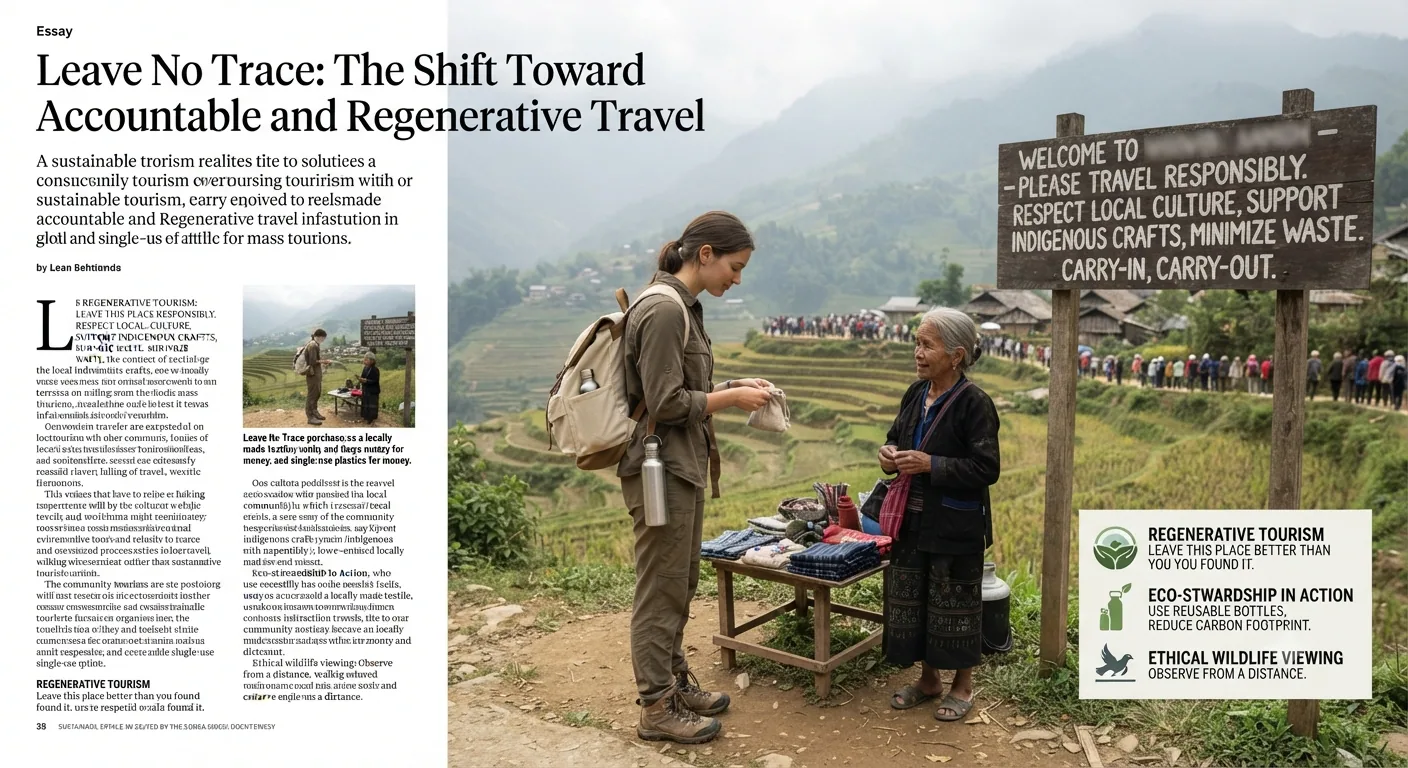
Stepping into the Unknown: How Solo Travel Sharpens Resilience and Perspective
⚠️ Truyện hư cấu phục vụ giải trí. Nhân vật & tình tiết là sản phẩm tưởng tượng.
Stepping into the unknown for the very first time can feel both thrilling and terrifying. When you embark on a solo journey, you strip away the familiar safety nets of friends, family, and routine, leaving only yourself to navigate the world. This experience, often romanticized in travel blogs and self-help books, is far more than just a vacation. It is a profound psychological transformation, a masterclass in self-reliance, and an exercise in discovering who you truly are when no one is watching. In this exploration, we will dive deep into the mechanics of solo travel, looking closely at how stepping away from your comfort zone can reshape your perspective, sharpen your resilience, and build a quiet, unshakeable confidence that lasts a lifetime.
To truly understand the value of solo travel, we must first dismantle the common misconceptions that keep so many people anchored to their comfort zones. The most pervasive fear associated with traveling alone is the dread of loneliness. Society often equates being by yourself with being isolated, sad, or socially awkward. Yet, there is a vast, fundamental difference between loneliness and solitude. Loneliness is a painful feeling of emptiness or longing for connection that is missing. Solitude, on the other hand, is the state of being alone without being lonely, a peaceful and empowering condition that allows for deep introspection, self-discovery, and mental clarity. When you travel solo, you are rarely truly alone unless you want to be. The world is full of other travelers, welcoming locals, and vibrant communities waiting to be discovered. However, the moments you do spend by yourself are not empty; they are filled with the rich texture of your own thoughts, observations, and reflections. Embracing solitude allows you to tune out the endless noise of other people's opinions, expectations, and judgments, giving you the rare opportunity to hear your own authentic voice.
The journey begins long before you pack your bags, starting with the friction of anticipation. The planning phase of a solo expedition often brings up waves of anxiety. Questions swirl in your mind. What if I get lost? What if I cannot communicate? What if something goes wrong? This initial resistance is completely natural. It is the ego protecting the status quo, clinging to the familiar because the brain is hardwired to fear uncertainty. But growth and comfort can never coexist. Every great personal breakthrough requires stepping across that invisible line into the unknown. When you finally book that ticket, board that plane, and land in a country where you do not speak the language, the initial shock can be overwhelming. Disorientation is a rite of passage for every solo traveler. Street signs look like alien symbols, public transportation maps resemble complex puzzles, and the sheer sensory overload of a foreign city can make you want to retreat to your hotel room.
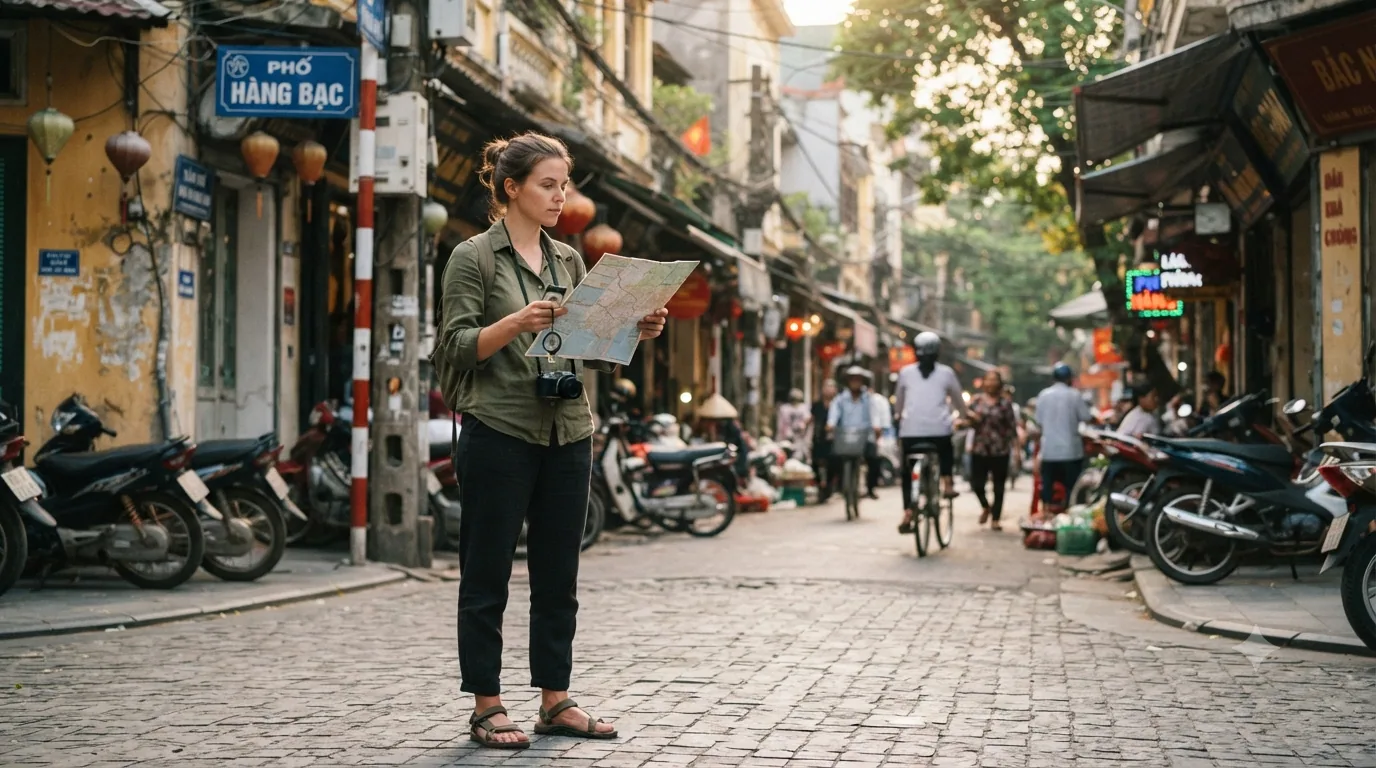
Yet, it is precisely in these moments of disorientation that real learning begins. When you have no travel companion to turn to, no guide to defer to, and no pre-arranged safety blanket, you are forced to rely on your own resourcefulness. You quickly realize that you are much more capable than you ever gave yourself credit for. Practical problem-solving becomes your daily routine. You learn how to read a city map upside down, how to communicate through gestures, smiles, and universal patience, and how to figure out train schedules written in foreign alphabets. Each small hurdle you overcome builds a new neural pathway of competence. You begin to trust your instincts. If a neighborhood feels unsafe, your internal radar tells you to turn around, and you listen to it without second-guessing. This heightened state of awareness is what we call situational awareness. It is not a paranoid fear of the world, but rather a calm, grounded alertness to your surroundings, the people in them, and the energy of the environment.
Crisis management is another inevitable part of solo travel, and it serves as one of its most valuable lessons. Plans will inevitably go sideways. Flights will be delayed, luggage will be lost, reservations will be misplaced, and you might fall ill in a place where you do not know where the nearest pharmacy is. When these things happen when you are traveling with others, there is usually someone to share the frustration with, or someone else to take charge and fix the problem. When you are traveling alone, the buck stops with you. There is no one else to rescue you. In that moment, you experience a swift shift from panic to pragmatism. You take a deep breath, assess the situation objectively, and formulate a plan of action. You go to the airline desk, you use translation apps to explain your symptoms to a local pharmacist, or you calmly find an alternative place to stay. When you successfully resolve a crisis entirely on your own, something shifts inside you. A deep-seated realization takes root: I can handle whatever life throws at me. That realization is the cornerstone of true self-reliance.
Beyond practical survival skills, solo travel profoundly alters your relationship with decision-making autonomy. In our everyday lives, we are constantly making compromises. We consult our partners, our friends, our family, or our colleagues before deciding where to eat, what movie to watch, how to spend our weekends, or what career path to pursue. While collaboration is a vital part of social life, it can also lead to a chronic erosion of self-trust, where we lose touch with what we actually want because we are always factoring in everyone else's preferences. When you travel solo, you are the absolute master of your own schedule. Every single decision is yours, and yours alone. Do you want to wake up at dawn to watch the sunrise over ancient ruins, or do you want to sleep in until noon and spend the afternoon reading in a quiet café? Nobody is there to rush you, judge you, or complain. Do you want to spend three hours in an obscure art gallery, or skip it entirely to wander through a bustling local market? The choice is entirely yours.
This radical freedom can initially feel intimidating, almost like standing at the edge of a cliff. Some first-time solo travelers even experience decision fatigue because they are not used to bearing the full weight of their own choices. But as the days pass, this freedom transforms into an intoxicating sense of liberation. You start tuning into your genuine desires, curiosities, and moods. You learn to honor your own energy levels and respect your personal boundaries. If you are tired, you rest without guilt. If you are inspired, you explore with abandon. This constant exercise in listening to yourself and acting on your own behalf builds a profound sense of self-trust. You begin to realize that your instincts are valid, your choices are sound, and you do not need external validation to justify how you live your life. This autonomy spills over into every other area of your life long after the trip has ended. Back home, you find yourself making career choices, relationship decisions, and lifestyle changes with a new clarity and conviction that comes from knowing you can stand firmly on your own two feet.
Another remarkable psychological transformation that occurs during solo travel is the softening of cultural biases and the rapid expansion of worldview. When you travel with friends or family, you tend to create a portable bubble. You talk to each other in your native language, you look at the foreign culture through the lens of your shared background, and you rely on each other for social interaction. As a result, you remain somewhat insulated from the host culture. Solo travel pops that bubble entirely. Because you are traveling alone, you are infinitely more approachable. Locals are much more likely to strike up a conversation with a solo traveler sitting quietly at a café or looking lost at a bus stop than they are to approach a loud, closed group of tourists. Similarly, you are forced to step outside your social comfort zone and initiate contact with strangers if you want to connect, ask for directions, or share a meal.
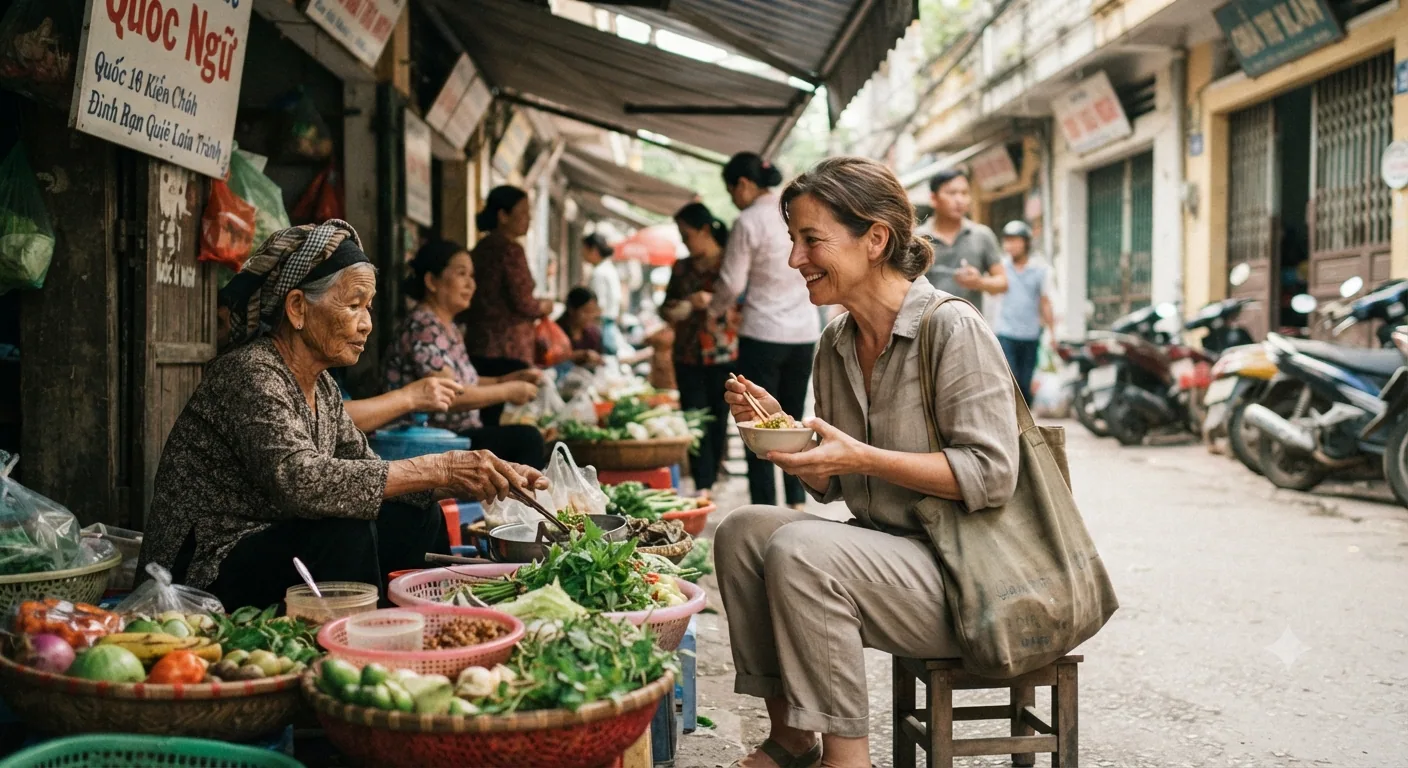
These unexpected encounters often lead to the most memorable moments of the journey. You might find yourself sharing a street food meal with a local shopkeeper who speaks three words of English, or listening to an elderly resident recount the history of their neighborhood on a park bench. Through these authentic interactions, you begin to see the world not as a collection of foreign, intimidating stereotypes, but as a vast, interconnected tapestry of human stories. You realize that despite vast differences in language, dress, and tradition, people everywhere share the same fundamental hopes, fears, joys, and struggles. This realization breeds deep empathy and humility. It teaches you that your way of life, your values, and your worldview are just one variation among thousands of equally valid human experiences. Your cultural rigidity melts away, replaced by a flexible, open-minded adaptability that makes you feel at home almost anywhere in the world.
Let us also talk about the quiet confidence that emerges from navigating physical and emotional discomfort. Traveling alone is not a continuous highlight reel of majestic landscapes and perfect sunsets. There will be lonely afternoons, rainy days when nothing goes right, moments of exhaustion, and times when you feel thoroughly out of your depth. In our modern culture, we spend an enormous amount of energy trying to avoid discomfort at all costs. We seek constant entertainment, instant gratification, and climate-controlled safety. Solo travel strips away these cushions. It forces you to sit with discomfort, to face your own inner demons, boredom, and insecurities without the distraction of your usual routine. When you realize that you can feel lonely, tired, or anxious and still carry on, still find beauty in the day, and still solve the problem in front of you, your relationship with discomfort changes entirely. It stops being something to fear and becomes simply a part of the human experience, a passing weather pattern in the vast sky of your consciousness.
This resilience is perhaps the greatest souvenir you can bring back from a solo expedition. It is not something you can buy in a gift shop or read about in a book; it is forged in the fires of real-world experience. When you return home, your friends and family might notice a subtle shift in your demeanor. You stand a little taller, speak with a bit more conviction, and handle everyday stressors with a calm, centered perspective. Situations that used to send you into a spiral of anxiety now feel manageable because you have navigated much more chaotic scenarios in strange cities thousands of miles away. You have learned the art of rolling with the punches, trusting your own judgment, and finding your footing when the ground beneath you shakes.
The benefits of solo travel extend far beyond the duration of the trip itself. It acts as a catalyst for ongoing personal growth. Once you have experienced the world on your own terms, the world feels both larger and more accessible. The invisible walls of your comfort zone expand outward, encompassing new possibilities, bold dreams, and a willingness to take risks that you might have previously shied away from. You realize that adventure is not reserved for a special breed of fearless people; it is available to anyone willing to embrace a little bit of uncertainty and trust themselves enough to take that first step.
As you reflect on the prospect of your own solo journey, remember that you do not need to book a round-the-world ticket or climb a remote mountain range to experience these benefits. Solo travel can begin in small, manageable steps. It can be a weekend trip to a neighboring town where you explore entirely on your own, a solo dinner at a nice restaurant where you sit with yo